



Berlin: New Developments in 2026. A Brief Overview
In 2026, Berlin residents, especially families, will face a number of significant changes. Some of these measures are aimed at material and financial support, while others focus on the further development of childcare, early childhood education and youth support. In addition, certain reforms affect housing, the energy sector and the cost of public transport.
Child benefit
From January 1, 2026, child benefit will increase from 255 euros to 259 euros per month per child. This means an additional 48 euros per year for each child. No additional applications are required, as the increased amount will be paid automatically.
Increase in the child tax allowance
The child tax allowance will increase from 9,600 euros (as of 2025) to 9,756 euros. This objectively reduces the taxable income base for families with corresponding earnings. When filing a tax return, the tax office automatically compares the benefit of the allowance with the child benefit.
Increase in the basic tax allowance
This year, the basic tax allowance will rise from 12,096 euros to 12,348 euros. As a result, a larger portion of income remains tax-free.
Minimum child maintenance
Child maintenance is determined under family law provisions. These include minimum maintenance amounts set out in the so-called Düsseldorf Table. Although the table is not legally binding, it is used by all family courts in Germany and is regularly updated by the higher regional courts together with experts.
As of January 1, the minimum maintenance amounts have been adjusted in line with the updated Düsseldorf Table.
For families with a net income of up to 2,100 euros, the following reference amounts apply:
-
486 euros for children up to 5 years of age;
-
558 euros for children aged 6 to 11;
-
653 euros for adolescents aged 12 and over.
Adult children living in their parents’ household receive at least 689 euros. Students living away from their parents continue to receive 990 euros.
Everyday support and quality childcare
-
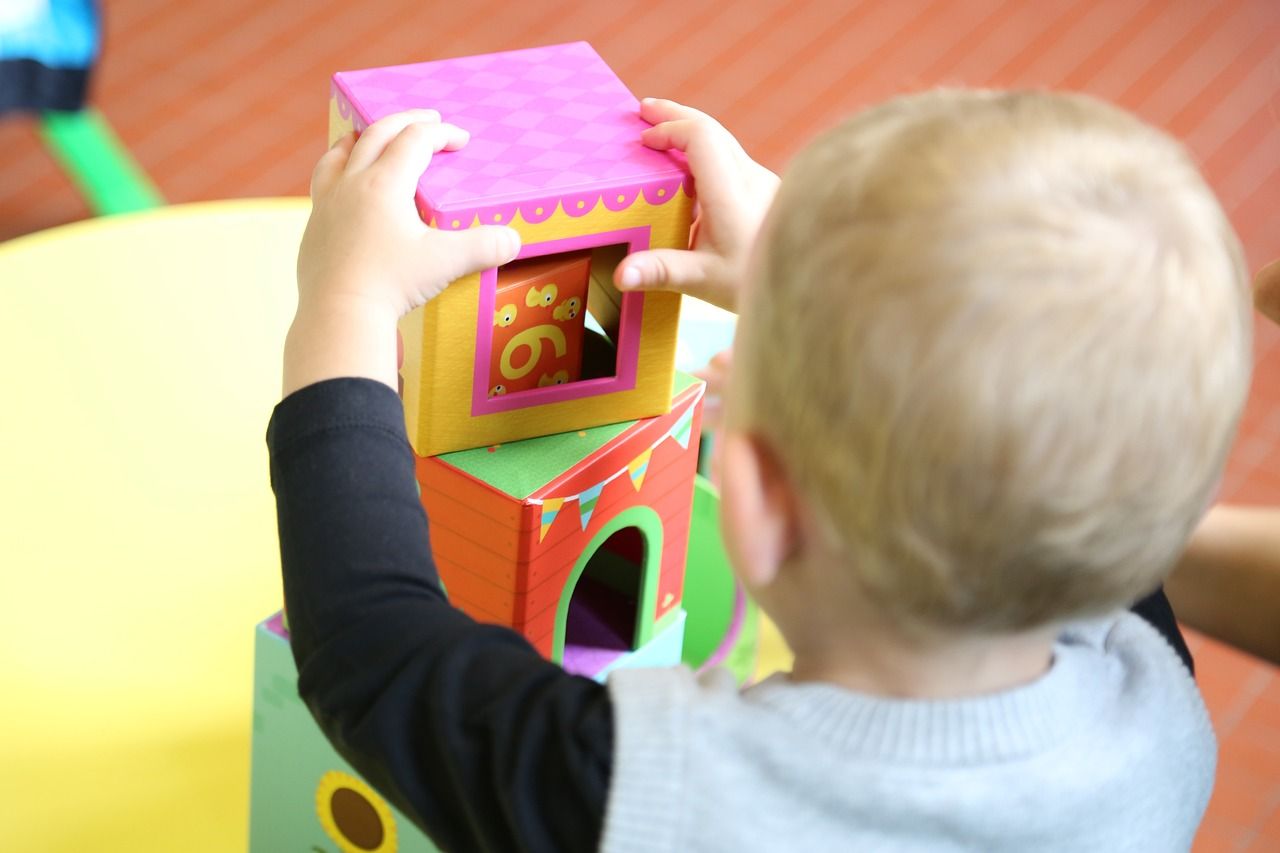
From August 1, 2026, a law will come into force in Germany providing eight hours of childcare per day for first-grade pupils. This applies five days a week and includes various extracurricular activities. By 2029, this entitlement is to be gradually extended to grades 1 through 4.
-
The special regulation on child sickness benefit will be extended. Parents will continue to be entitled to 15 days of paid leave per parent (30 days for single parents) to care for a sick child.
-
Since the beginning of this year, responsibility for foster children has been transferred to district youth welfare offices, which are responsible for educational issues, youth welfare, child protection and family support.
Education, childcare centres and schools
The Berlin Family Portal will continue to be expanded. It provides comprehensive information on family planning, childcare, school and education. In addition, the free ParentsMail Berlin email service will be extended, offering information and practical guidance on child development and upbringing in German, English, Arabic, Turkish, Polish and Ukrainian.
IMPORTANT
ParentsMail Berlin supports parents from the birth of a child until the age of five with information on support services. Parents of primary school children receive information from school entry up to grades 4 and 5.
Early childhood education
The “Chancenjahr Kita” programme launched in 2025 will continue in 2026. Its aim is to prepare all children optimally for school through targeted measures. These include:
-
the automatic issuance of a so-called welcome voucher for part-time childcare from the age of three, without application and without bureaucratic hurdles;
-
a gradual increase in childcare staff for children under three years of age in two stages in 2026 (from January 1 and from August 1) in order to improve the quality of care.
Housing and electricity
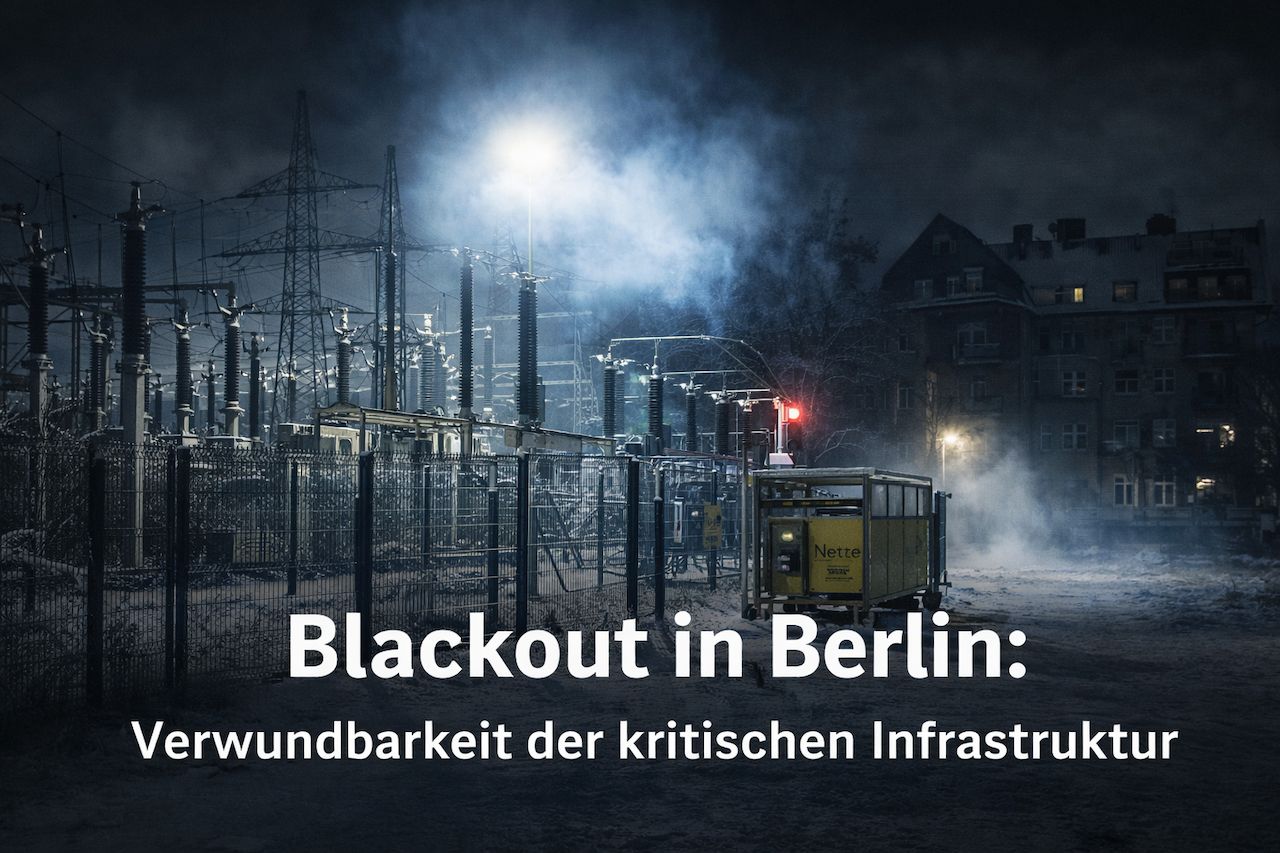
In the housing sector, measures will continue to be implemented to ease the burden on families in light of rising energy costs and to ensure affordable housing in Berlin.
The Berlin House of Representatives has extended the rent cap until December 31, 2029. Landlords in tight housing markets such as Berlin may continue to set rents for new leases at no more than 10 percent above the local comparative rent.
For 2026, households are also expected to benefit from lower levies and taxes on electricity. Estimates suggest that families and single-person households could save up to 150 euros per year.
Public transport
-
Single ticket for zones A and B: 4.00 euros. Free student transport Berlin AB remains in place;
-
Four-trip ticket AB: 12.40 euros;
-
Short-distance ticket AB: 2.80 euros;
-
Monthly Berlin-Ticket S (zones A and B): 27.50 euros;
-
24-hour ticket AB: 11.20 euros.
The Germany Ticket (D-Ticket) continues to cost 63 euros per month.
Updated military service legislation
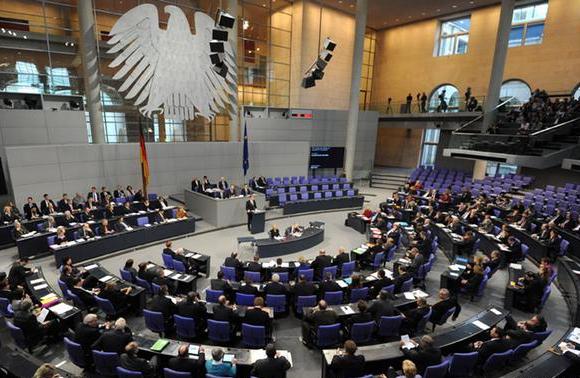
The Bundestag has adopted an updated version of the Military Service Act. Military service remains voluntary, but includes mandatory medical examinations for all adult men and the possibility of conscription if there are insufficient volunteers.
From 2026, all 18-year-old men will be required to complete a questionnaire on their physical fitness and willingness to serve. Women may do so voluntarily. The decision to serve remains voluntary.
However, the Bundestag may introduce compulsory military service by random selection if necessary.
Tags: public transport Berlin , BVG fares , city development , youth support , early childhood education , Berlin news , electricity prices , household energy costs , Berlin 2026 , Berlin reforms , changes in Berlin , social support , family benefits , child benefit , tax allowances , education in Berlin , childcare Berlin , schools in Berlin , housing in Berlin , rental market Berlin , rent regulation , energy sector Berlin , Germany ticket , family policy , urban policy , social reforms , household savings , quality of life , budget measures , legislation 2026
Categories: Latest